
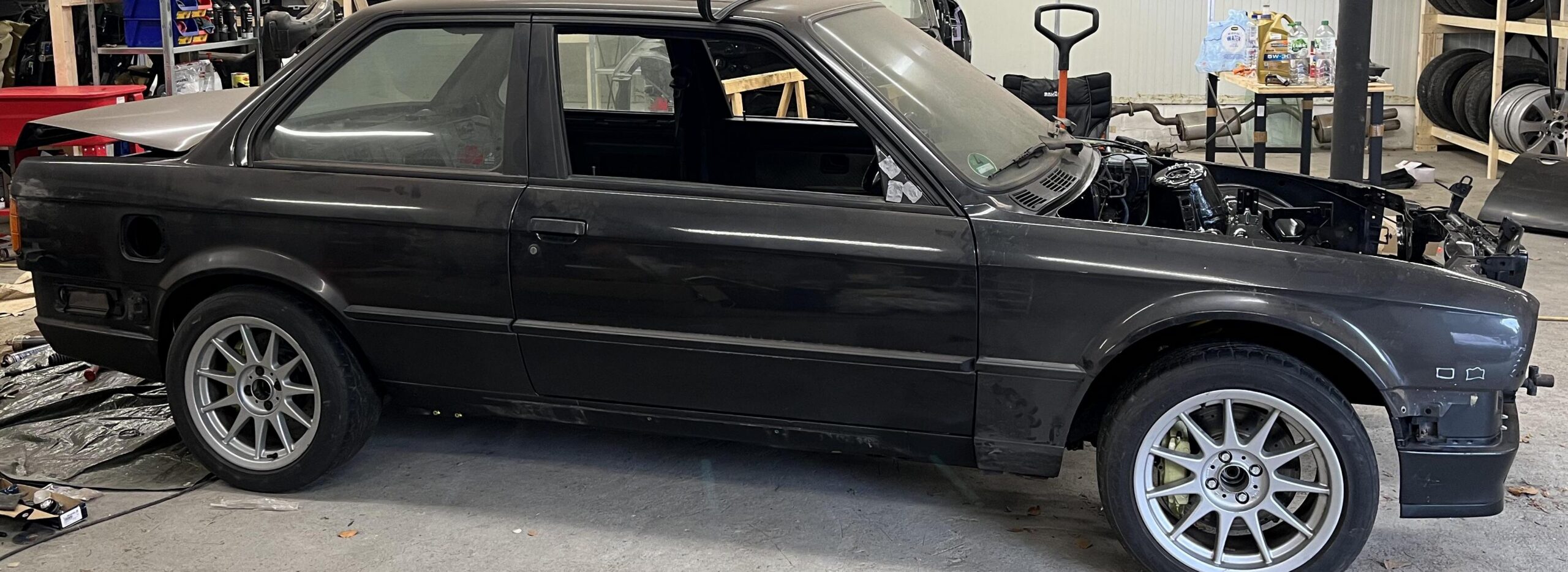
In late 2021 I sold my semi-project car, a 2010 BMW 335i. I more or less jokingly offered it to a friend who had take liking to the car, and when he actually agreed to my offer, I was faced with a decision. I had done everything I wanted to do with that Coupe, and working on it and modding it turned out to be more engaging to me than actually driving the end product.
Knowing the car would go into very good hands and somebody I knew would be getting enjoyment out of it, the deal was quickly finalised. This opened up time and space to dig into a bigger project, and having recently rented a workshop, I was eager to get started.
I found this particular E30 through coincidence: At the time I was still renting a garage to park our motorcycles in. Rent had to be paid in cash every 6 months, and doing so involved visiting the landlord in person at his auto repair shop.
During one of these visits my landlord was busy in a storage unit at the back of his property. I entered and there it was: A black Aprilia RSV1000.
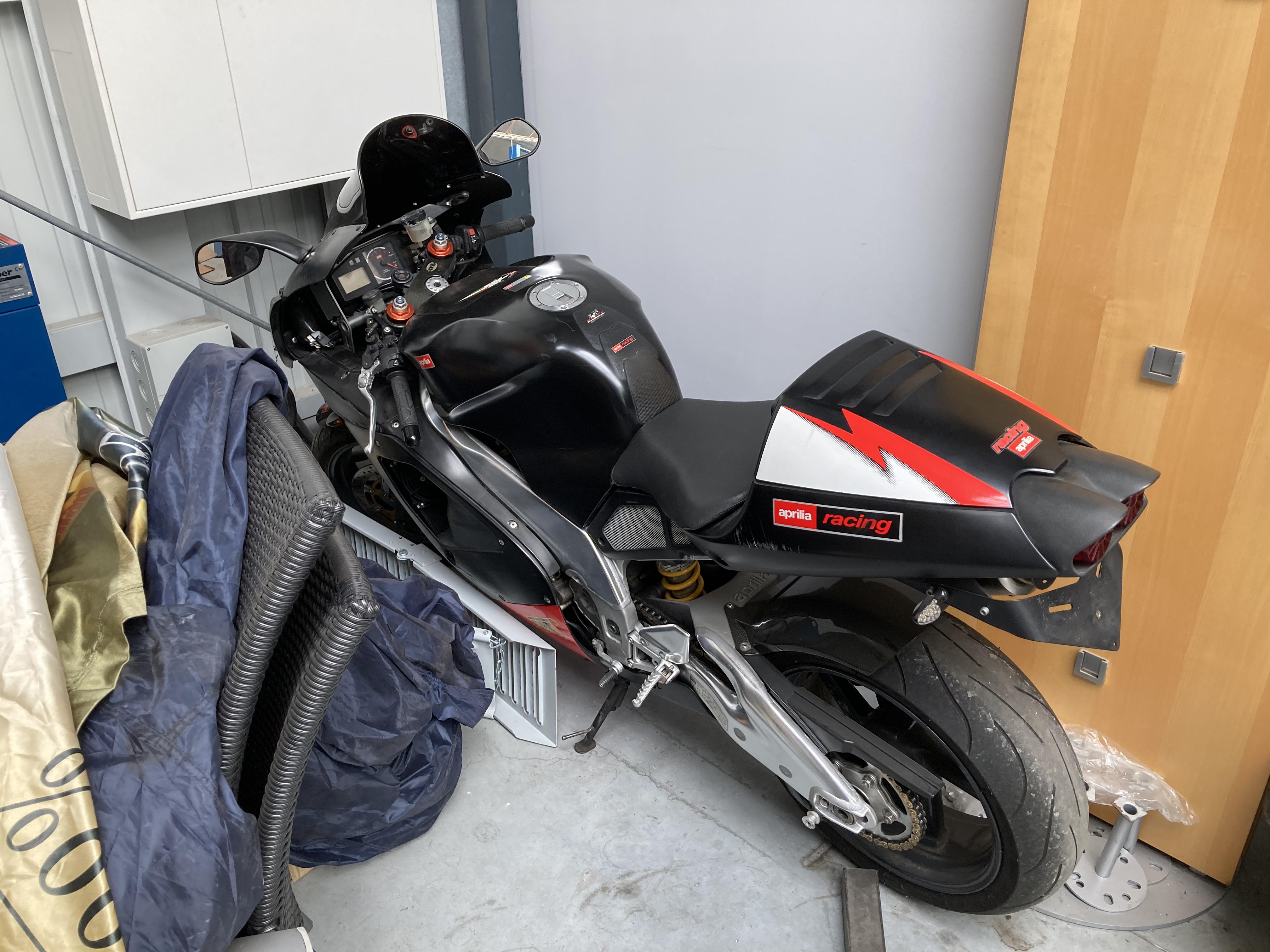
My landlord had previously informed me that his son was looking to sell the bike. Since I already had another Aprilia and was in the market for something less extreme, I was semi-interested in this offering.
Only when I stepped closer I saw something else in the back of the unit. A 3 series BMW, type-code E30, covered in a thick layer of dust.
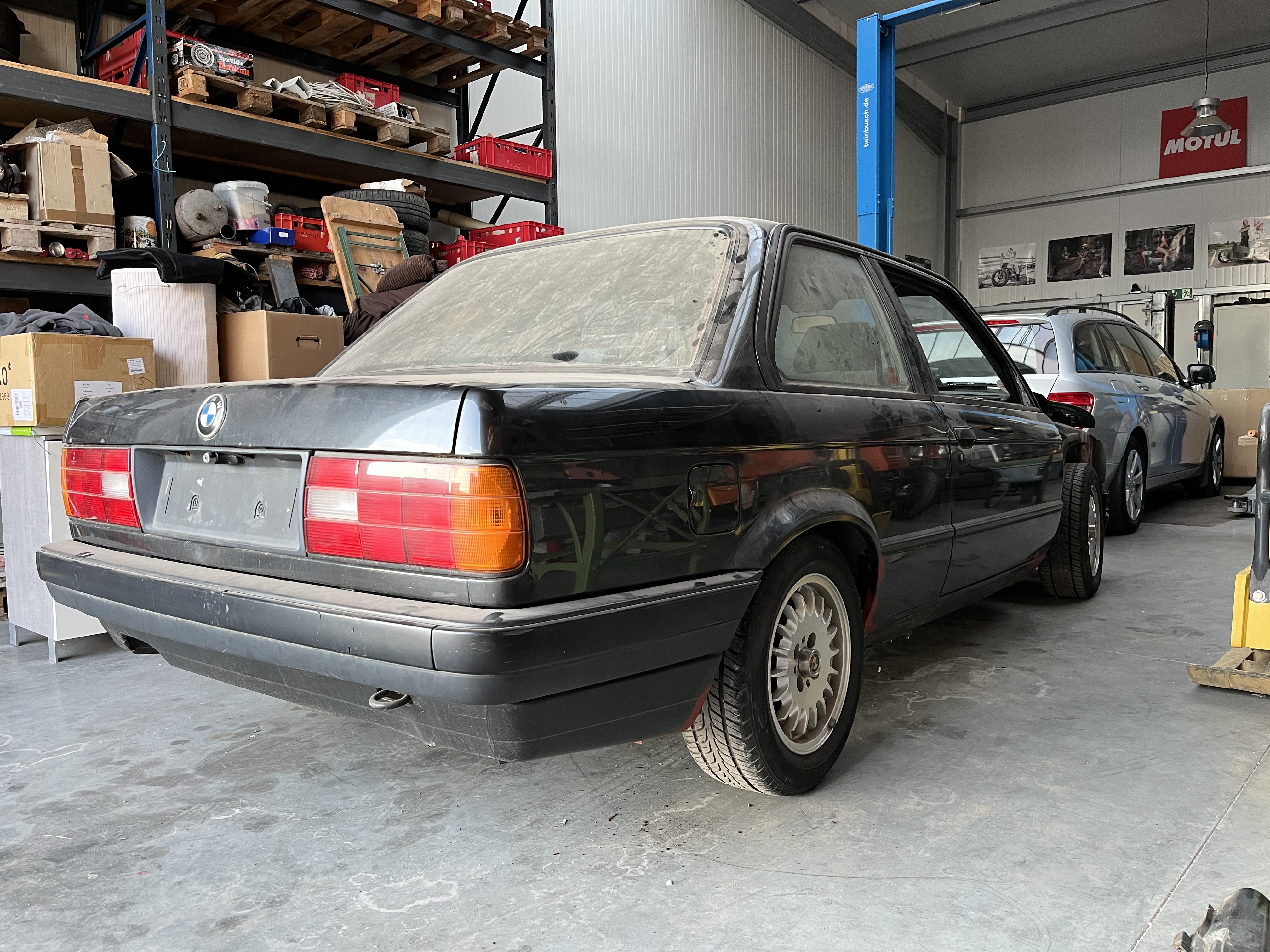
Any interest I had in the Aprilia was quickly forgotten and I started asking questions about this seemingly abandoned car. It turned out to be one of the very last 320i of this generation, first registered in April 1990.
The third and last owner only had the car for 3 months. In August of 2011 the next mandatory TÜV inspection was due, and probably suspecting the car wouldn’t pass, it was de-registered end of July 2011 – meaning it had been off the road for 10 years at the time. The same son selling the Aprilia had bought the BMW as a project car for himself some time later.
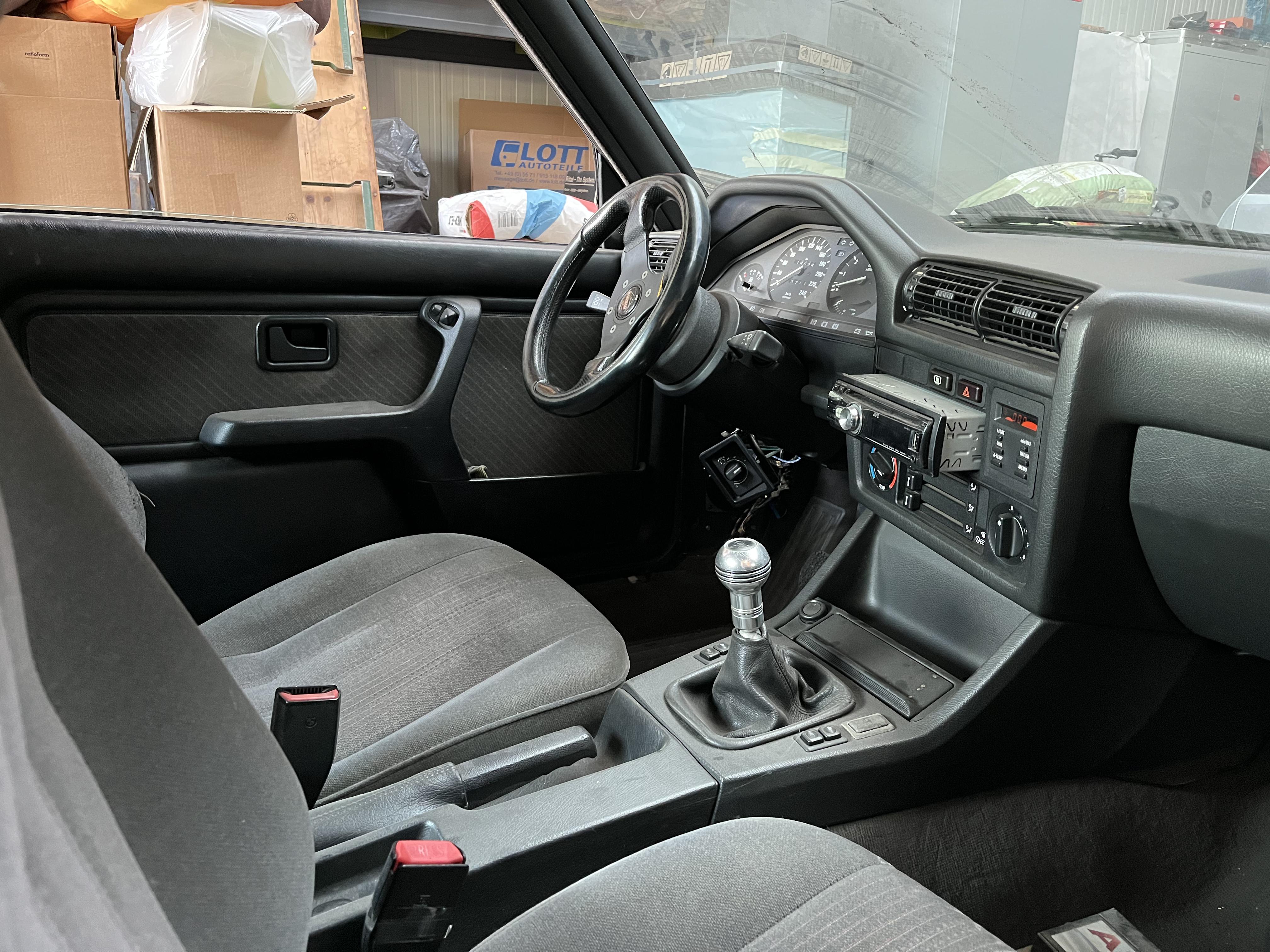
I asked whether the car was for sale. It was not – at least not according to my landlord’s son. My landlord told me to call him directly and make an offer anyway.
His son had just built a house, became a father, and the last time he had worked on the car was over 2 years ago.
After initially refusing to sell, he started to change his mind. We agreed to let him sleep over it and to call me back the next evening. Evening came and I was eagerly waiting with my phone in hand.
It rung, I excitedly picked up and received the news: He pondered about it and came the conclusion that he was probably not going to find the time to work on the car any more in the next 10 years. The E30 was mine.
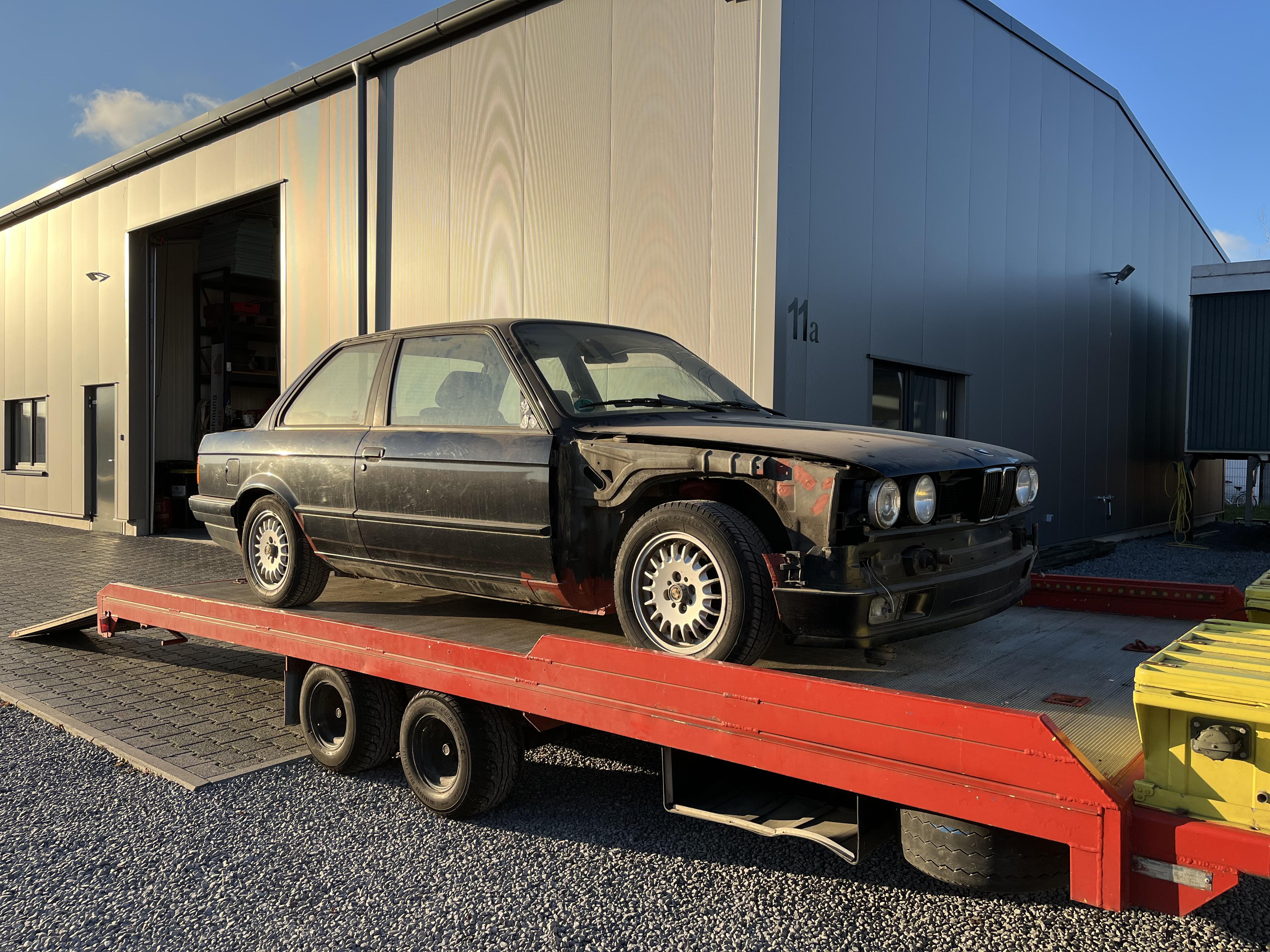
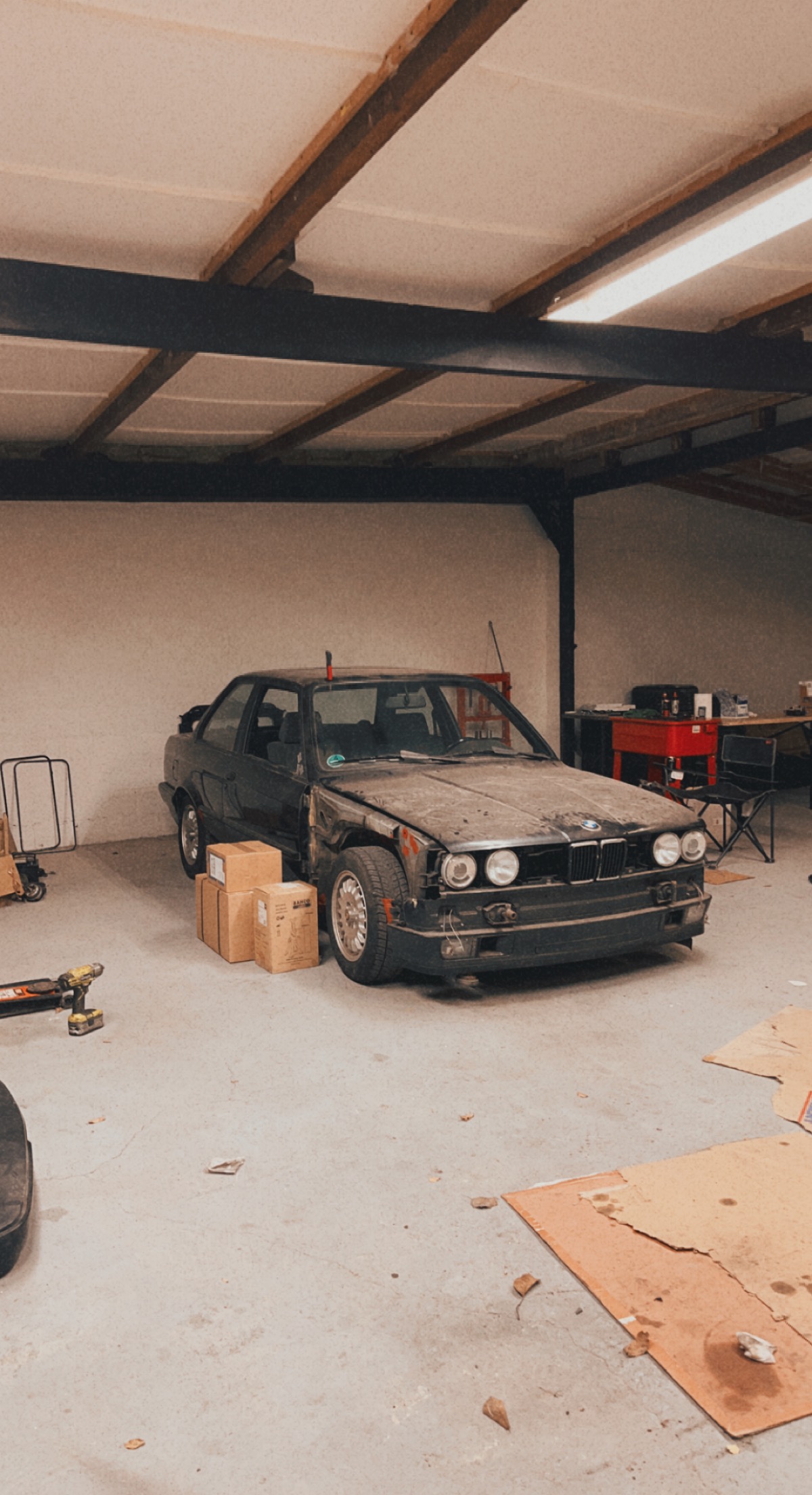
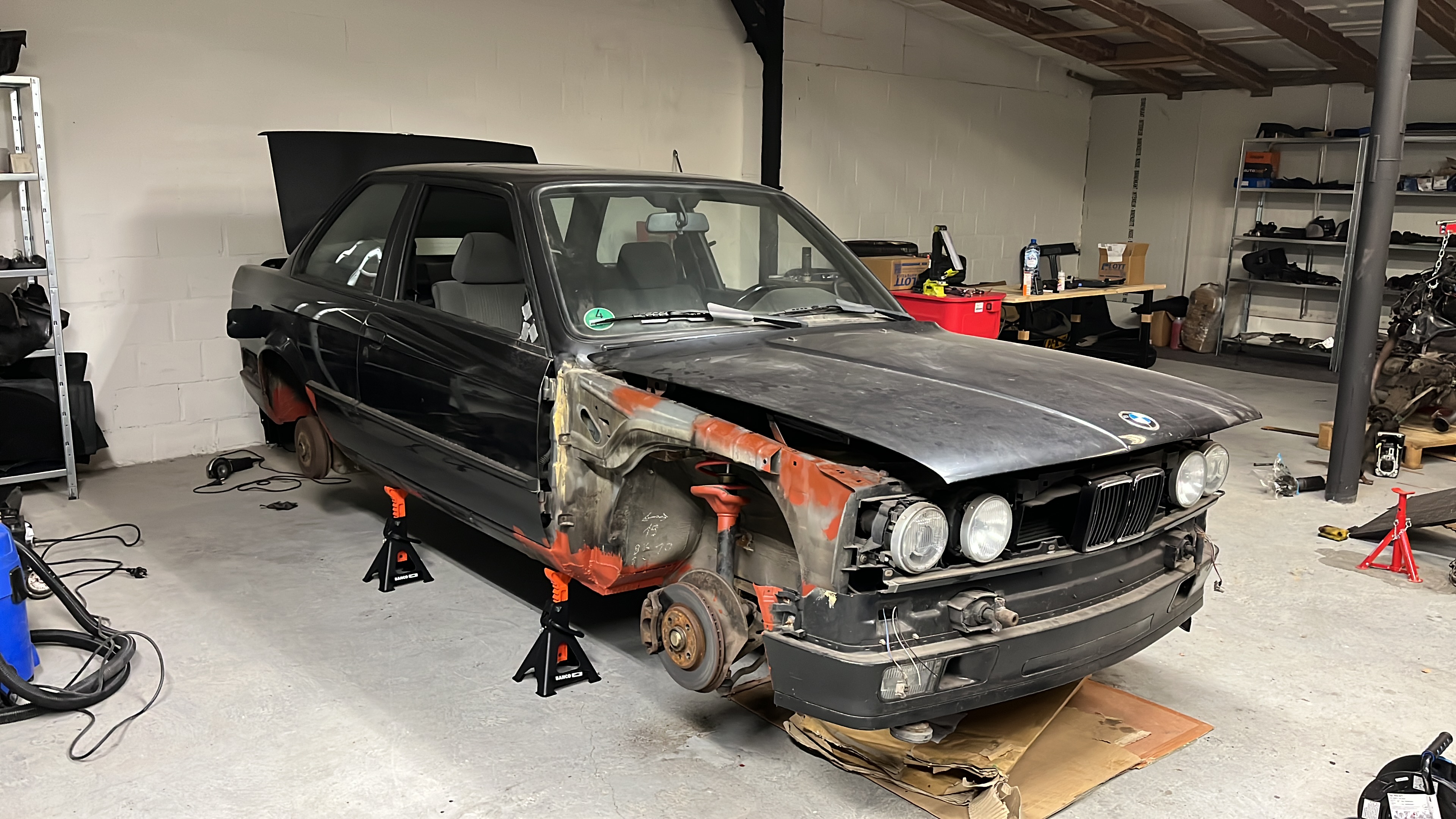
After moving the BMW to its new home, I lifted the car onto jack stands in the spot where it would live from now on. What followed was a thorough first inspection. I had been warned by the previous owner that the chassis would need some welding and rust repairs. He had begun on a single corner of the car and then abandoned the project, and I was starting to see why.
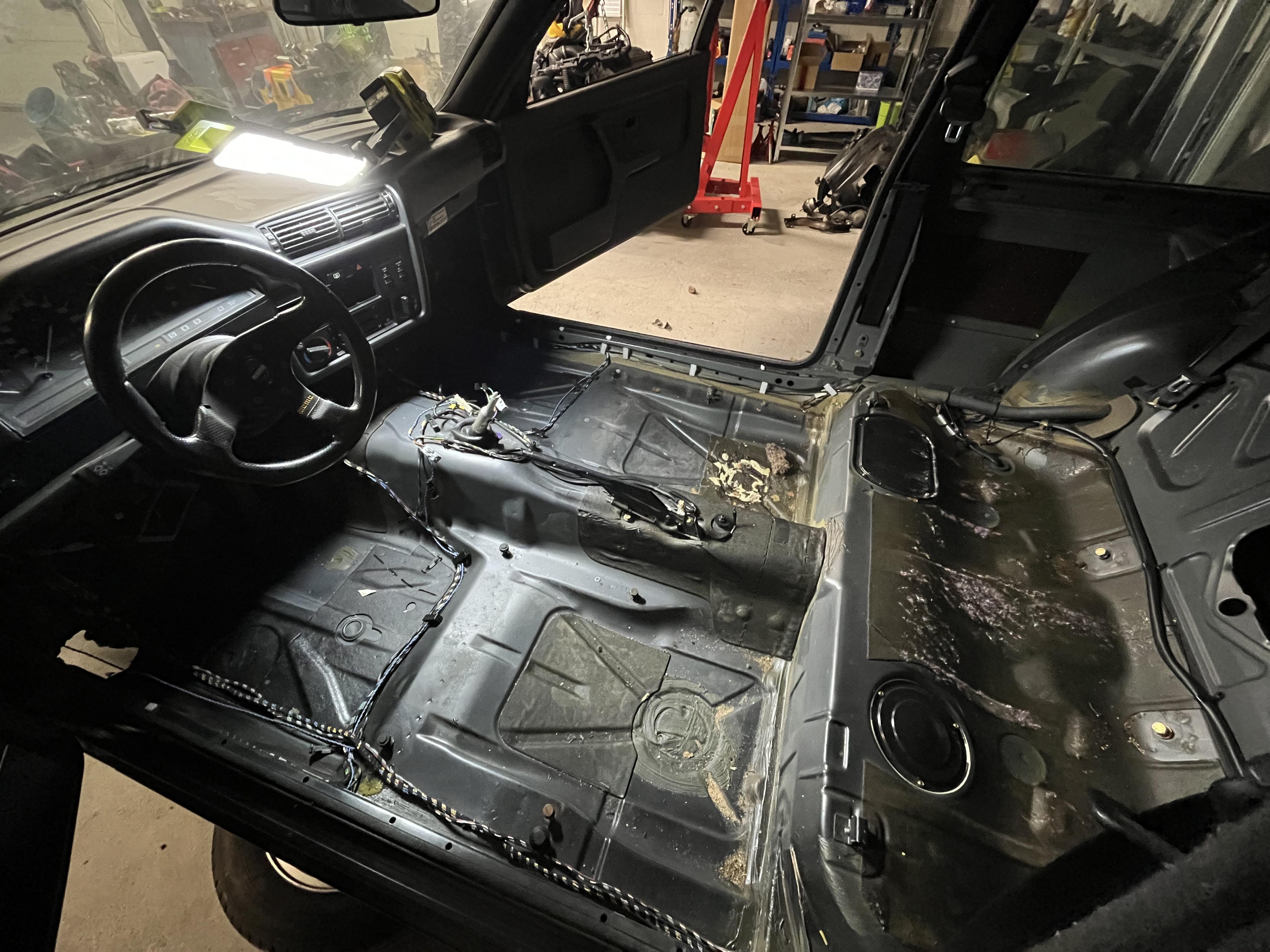
Every corner of the car, where dirt, snow, and salt would have accumulated in the past, was completely rotten. This meant that there were gaping holes behind each tyre especially. I was sort of expecting this, since these are typical spots for any car of the era. Still, it is a great reminder to clean out your wheel arches using a high pressure washer every now and then.
The worst spot was the panel around the fuel filler neck. I didn’t spot anything wrong here when I was first viewed the car, but that was probably because almost the entire panel was missing, making the area look whole again at a glance.
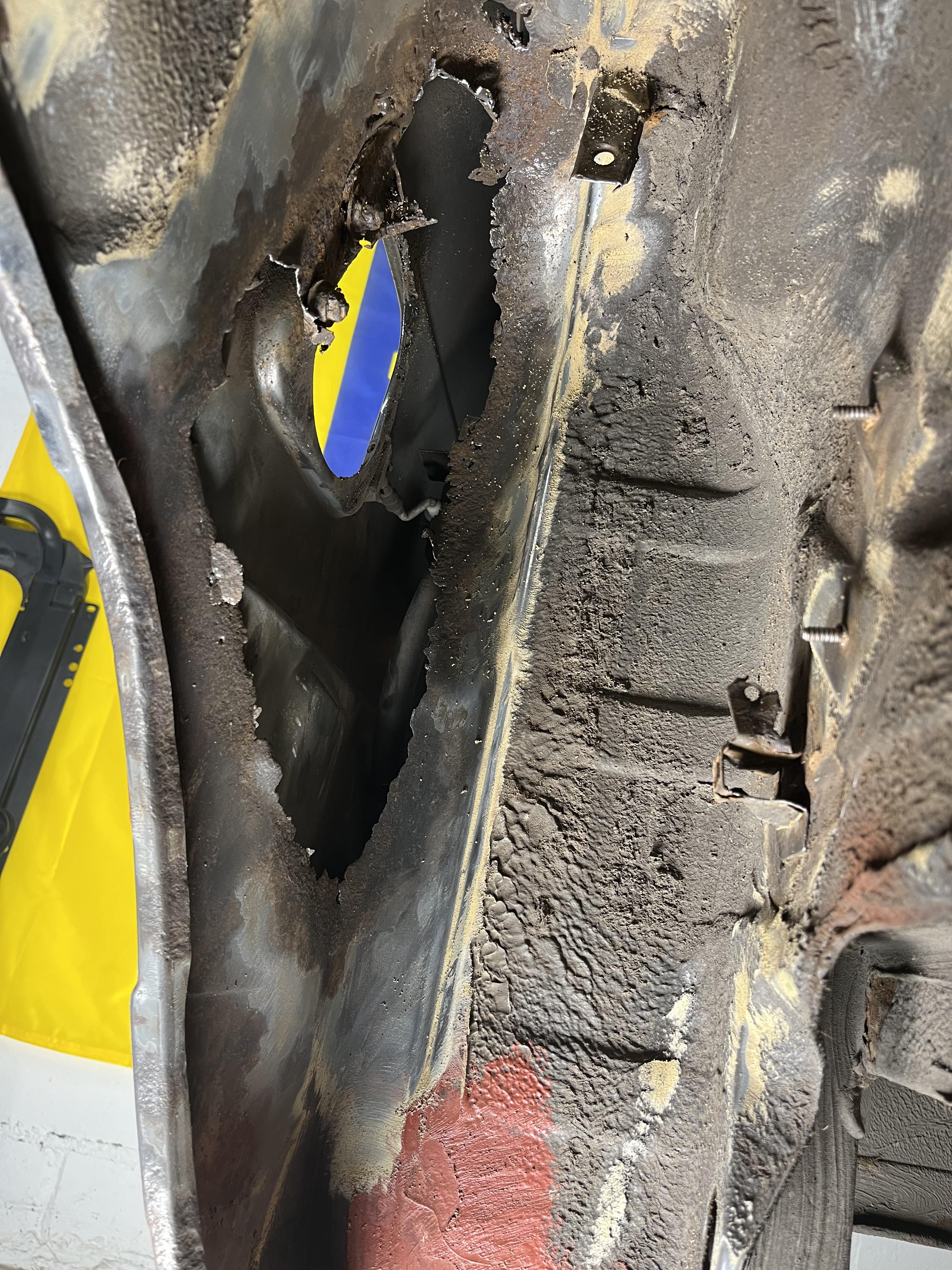
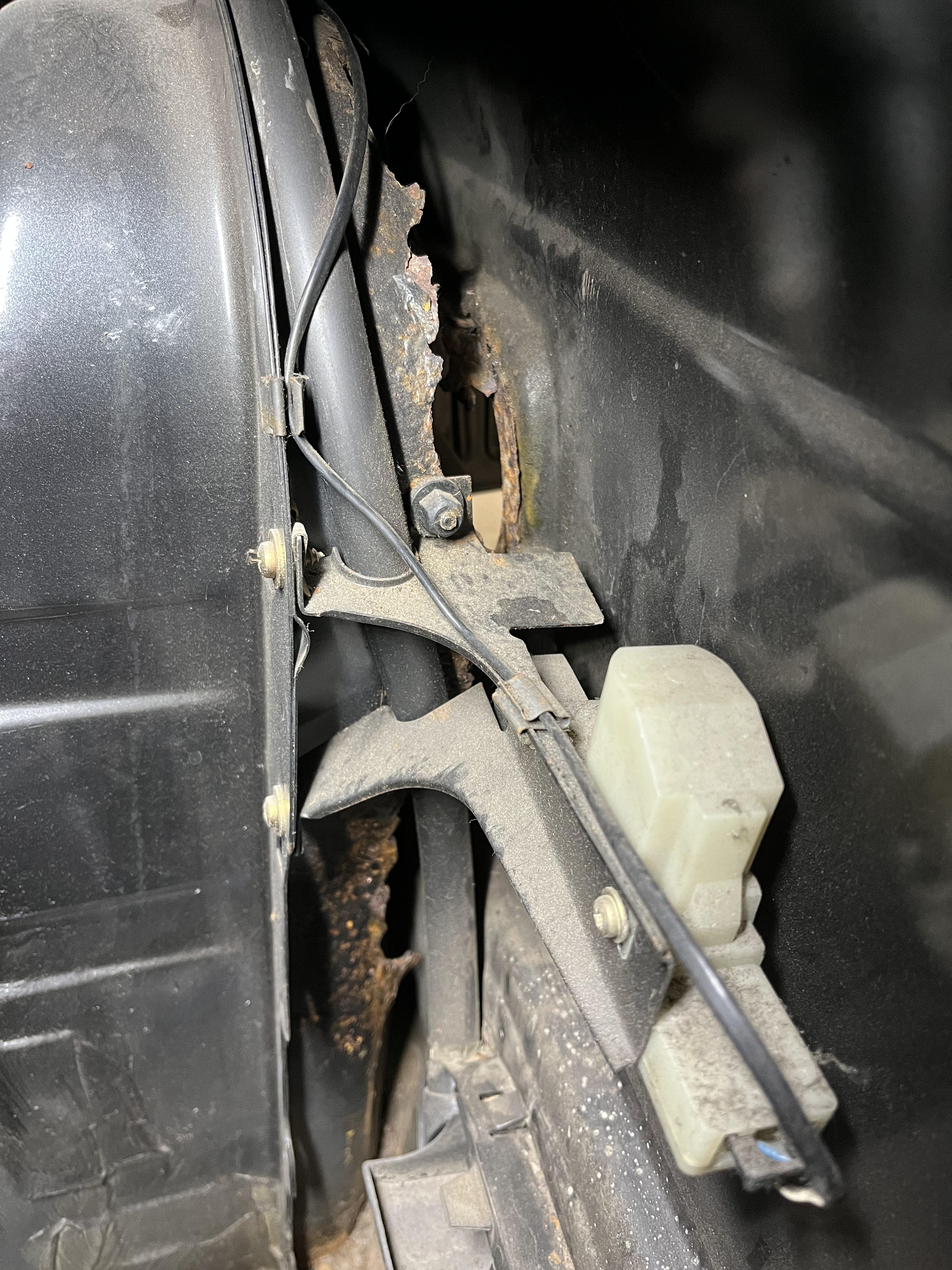
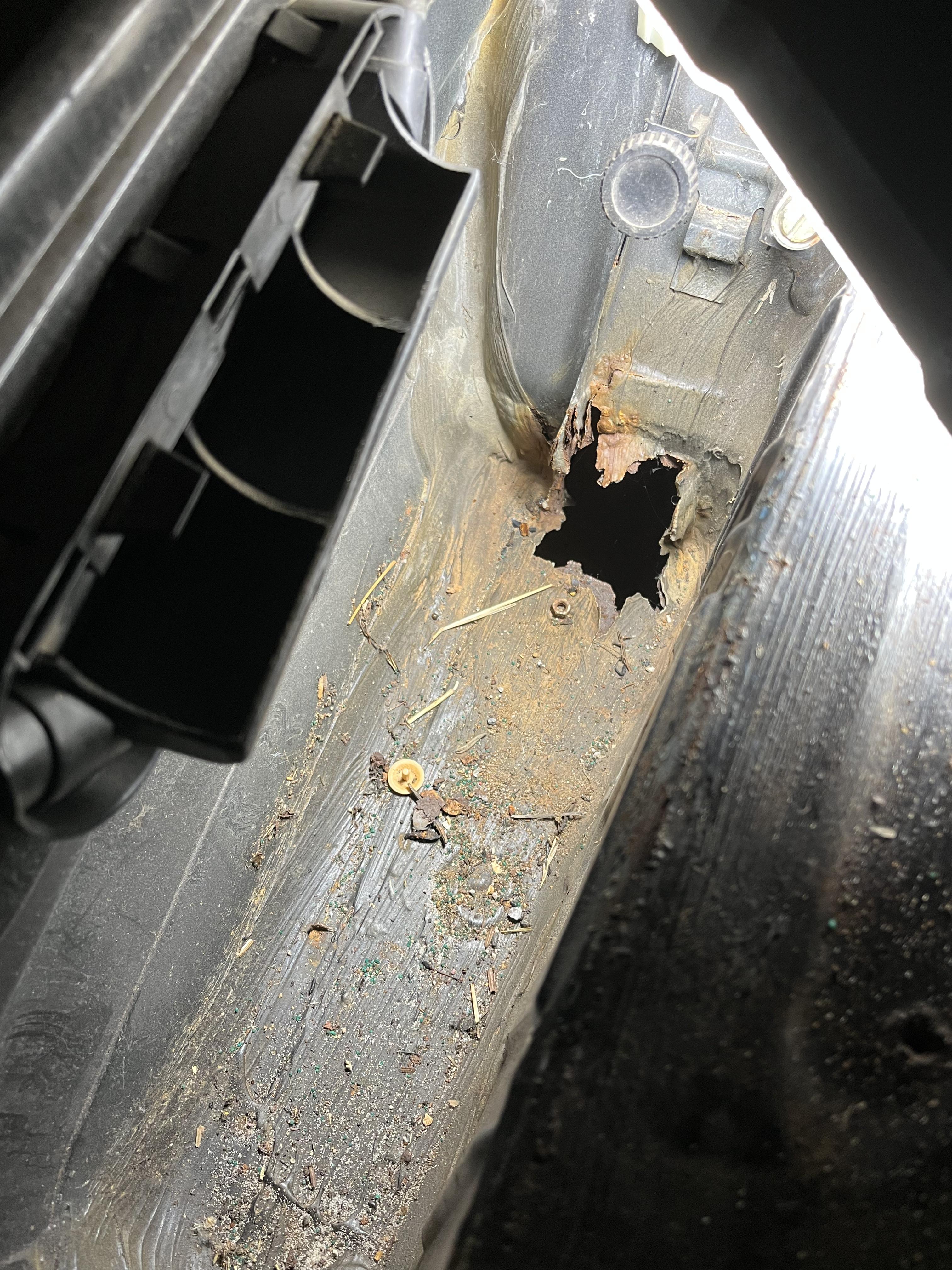
I knew immediately that this was going to be a lot of work, in particular for someone who had never used a welder before. Still, I went full sunk cost fallacy and decided to resurrect the chassis.
What followed were months of cutting, grinding, welding, painting and coating. A few fresh metal pieces were sourced as reproduction parts, but most were made by taking cardboard patterns, transferring to sheet metal and cutting, bending and hammering until they fit.
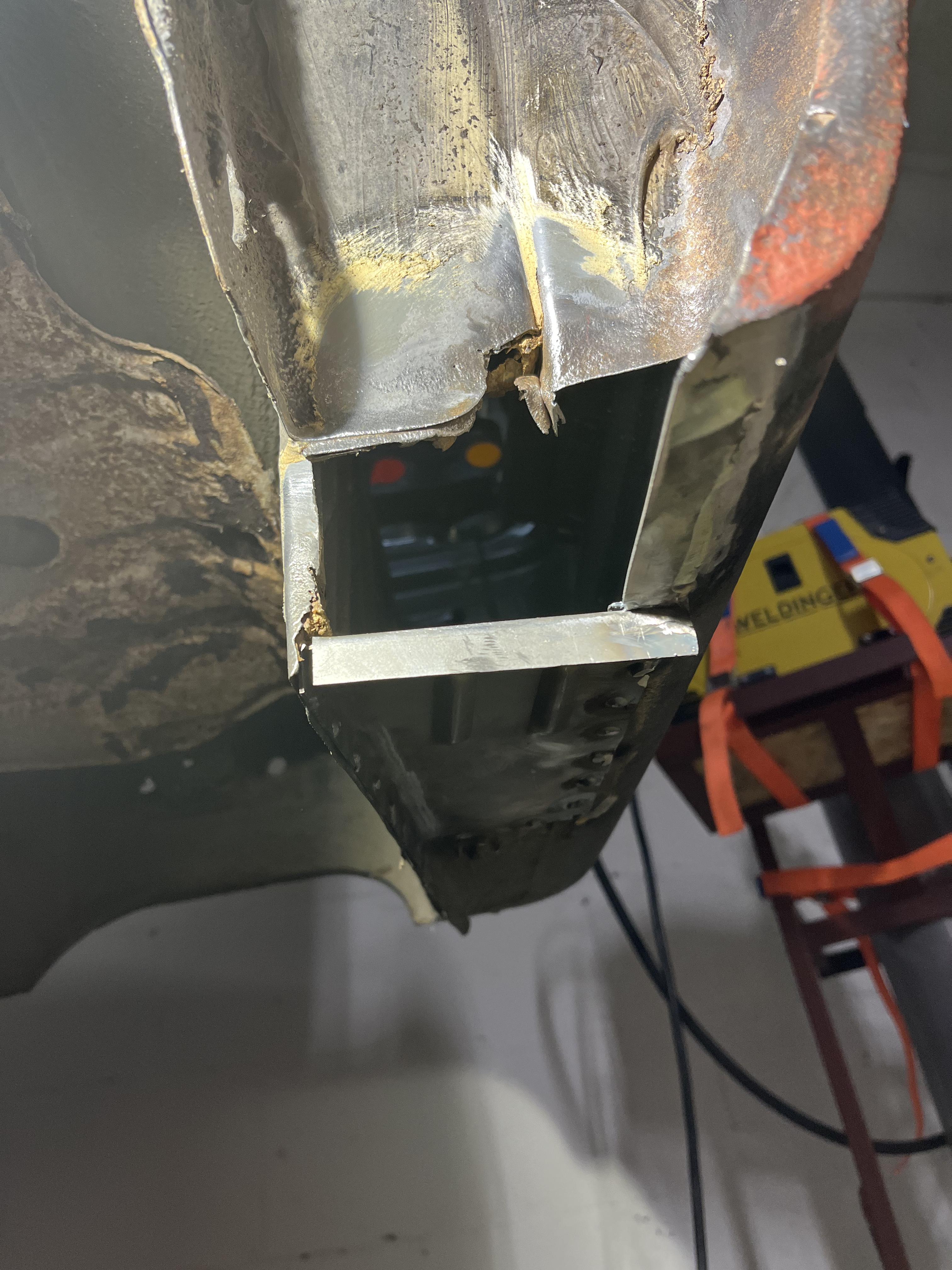
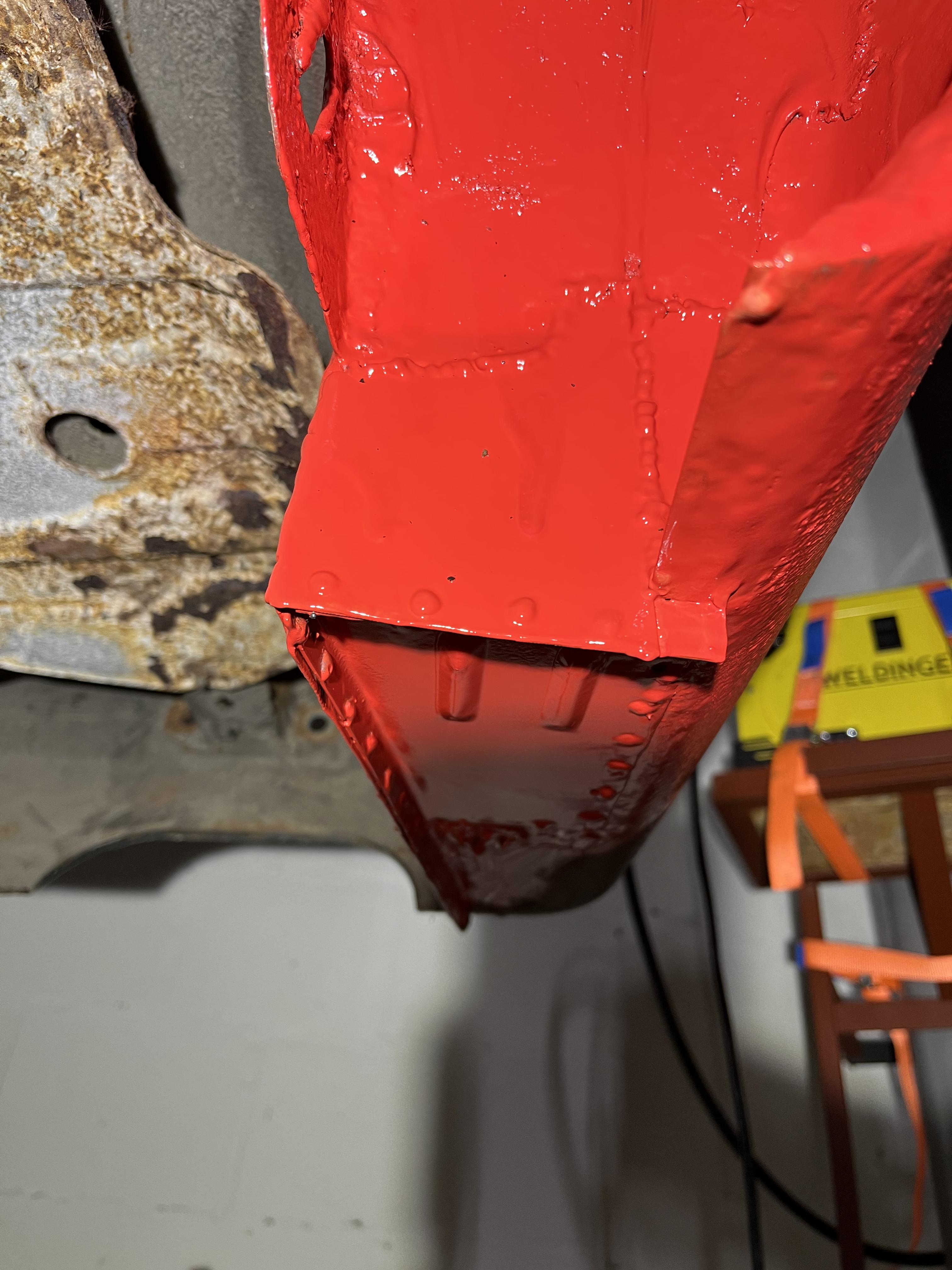
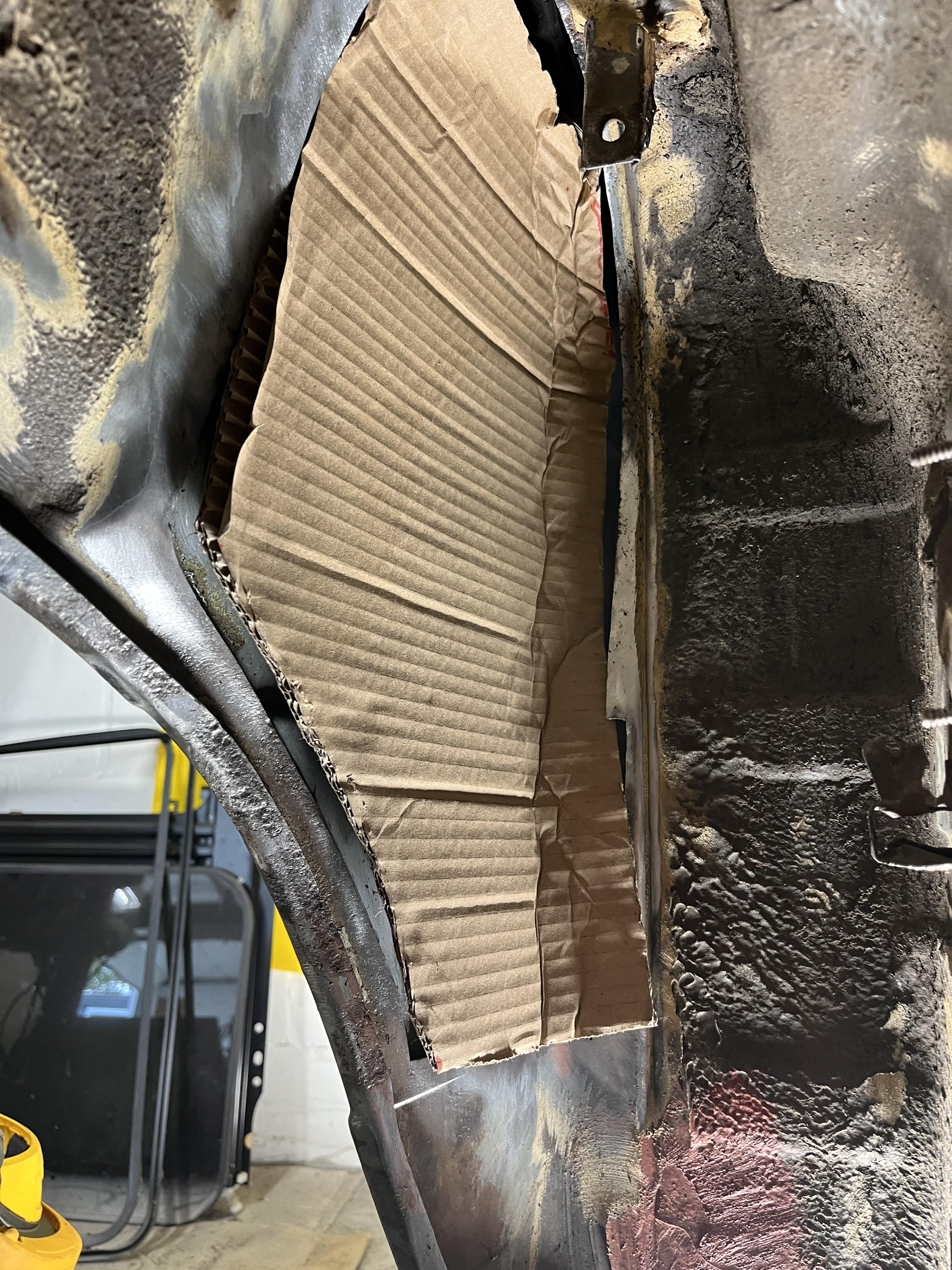
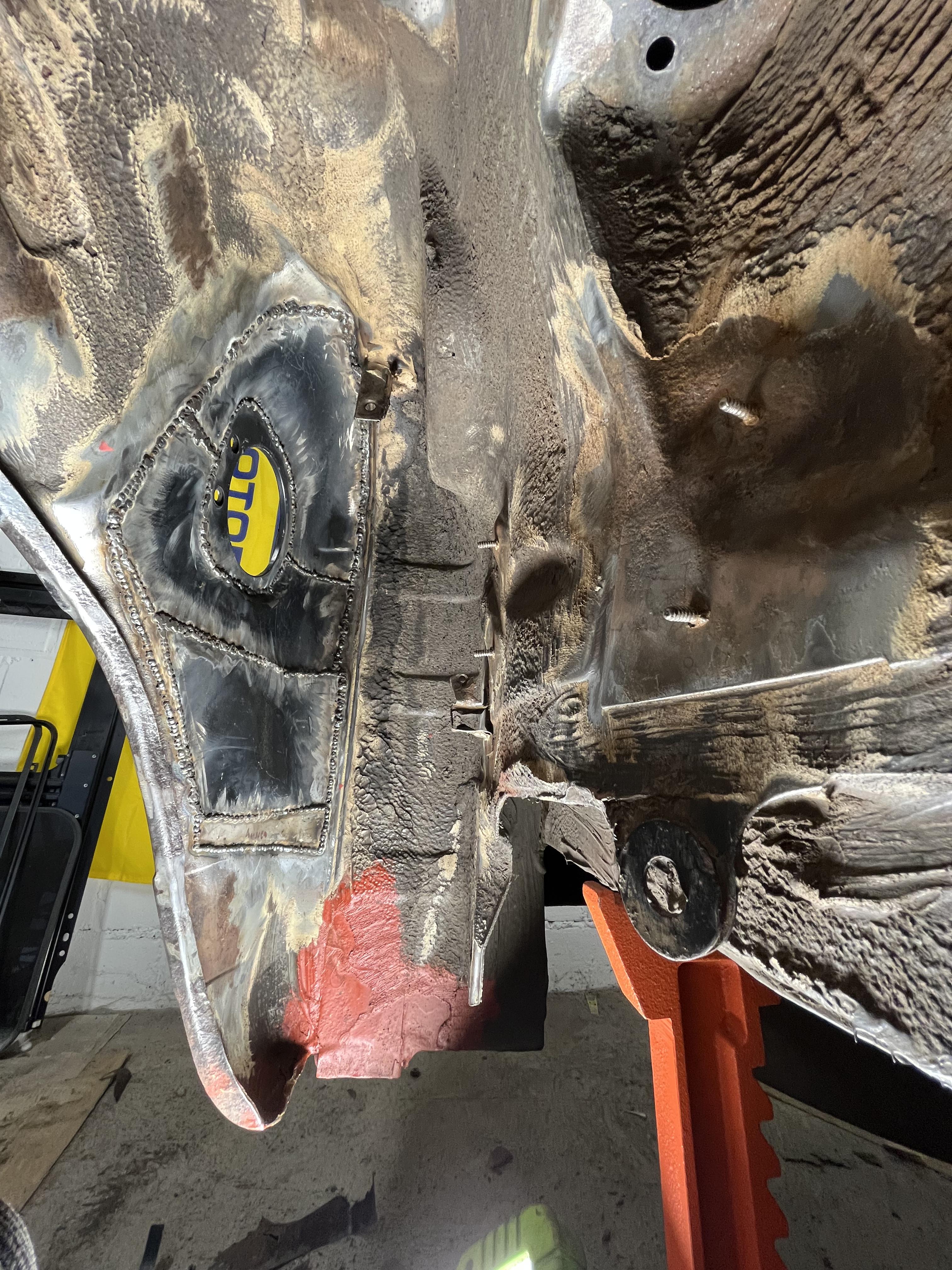
Some of the welding is not super pretty when looking back, but it was my first time and I learned a ton. At the end of the day, all fixes are functional, though, and all joints were covered in a layer of chassis glue and multiple layers of paint and undercoat and will probably outlast the untouched metal around them.
Overall it took me about a year to get the chassis to a usable state again. The biggest setback that happened in the process was when working on the gaping hole in the front left corner of the car, as suddenly the grinding dust turned copper coloured.
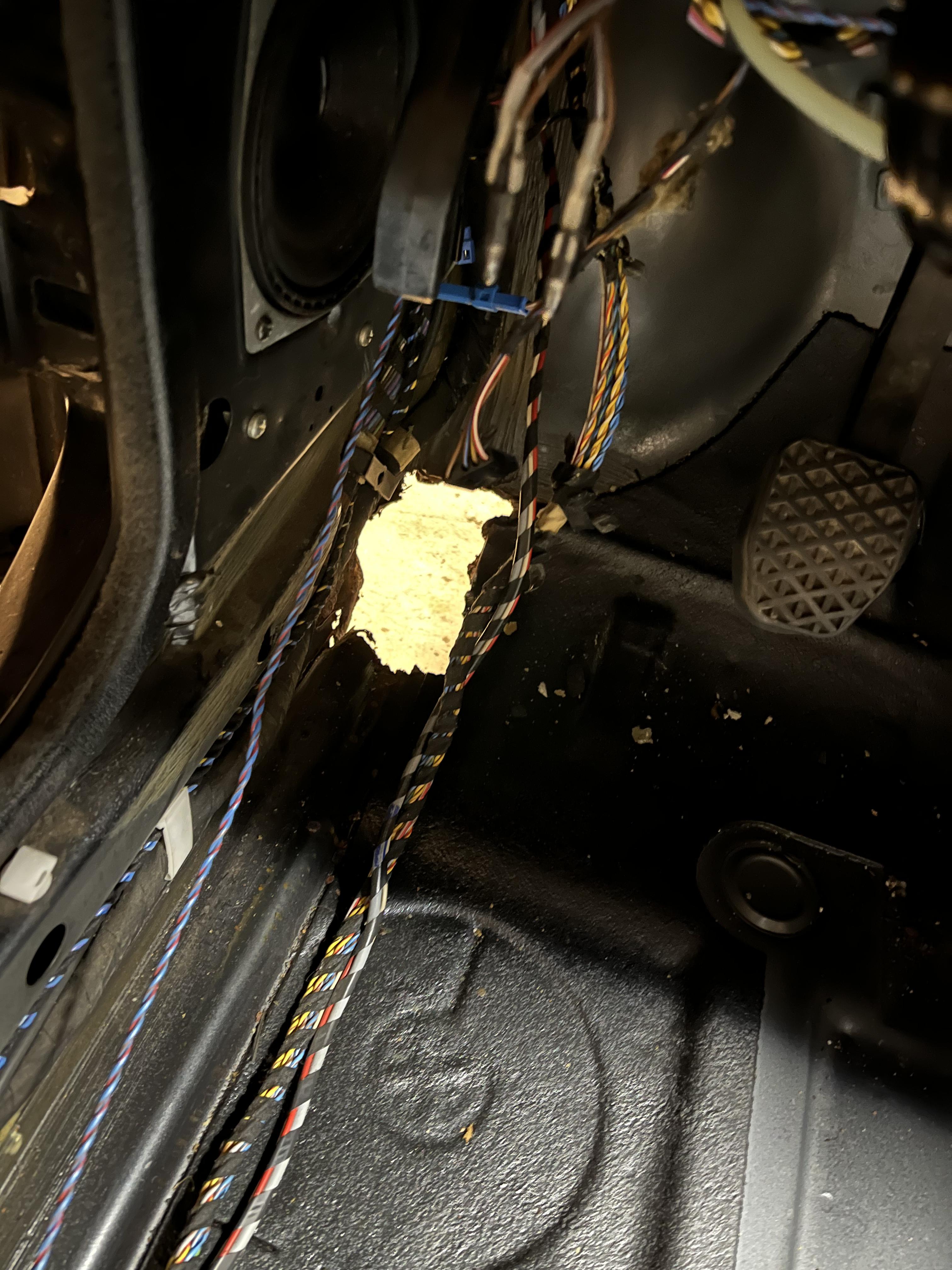
I learned the important lesson of always checking what is on the other side of a panel before making a cut – I had severed about 30 wires. I quietly put down the angle grinder, switched off the lights, and drove home in silence that night. And this is where I will also end this post for now.
Leave a Reply